
Yves Saint Laurent and Pierre Bergé in Marrakech
They are the reason the Majorelle Garden still exists. In 1980 the couple bought the site to stop it being built over, then spent years restoring it. Their ties to the city ran deeper than the garden walls, and this page follows that story through to the museums that carry it today.
I. Saint Laurent first travelled to Marrakech in the 1960s. The light and colour stayed with him for the rest of his working life.
The couple returned often, eventually keeping a home in the city. Marrakech became a place where work and rest overlapped — the reason their later rescue of the garden reads as personal rather than purely institutional.
II. By 1980 the Jardin Majorelle was in decline and under threat from development. The purchase was protective, not commercial.
Without that decision the garden would most likely have been built over. The acquisition changed the site's trajectory and is the plainest explanation for why the two names remain attached to the place so firmly.
III. Restoration meant replanting, structural work and careful choices about fidelity to Majorelle's original design.
The blue was re-established and the studio building was treated as architecture worth preserving. The work continued well past the initial purchase — the garden you walk through now is the result of sustained effort, not a single campaign.
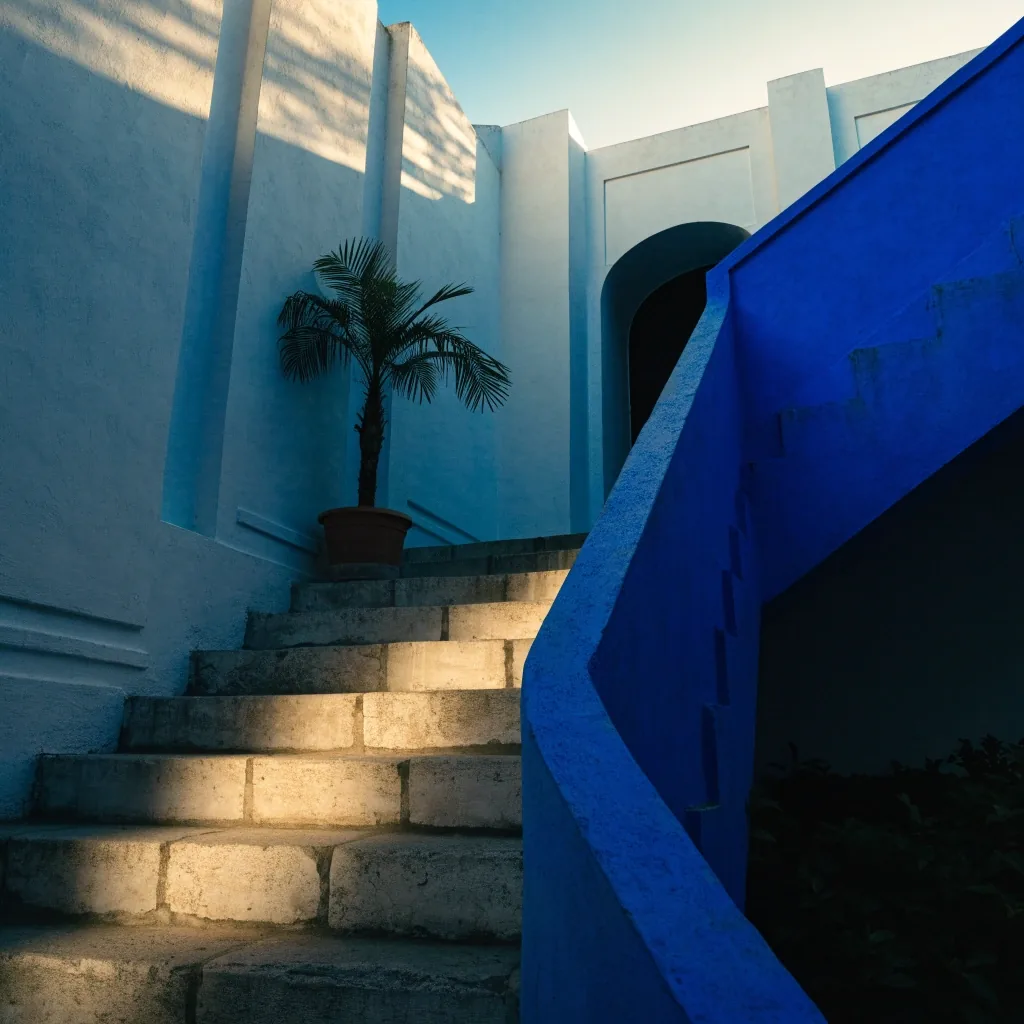
How Marrakech entered Saint Laurent's life
Saint Laurent first encountered Marrakech in the 1960s, and the city became a recurring source of colour and light for him. He and Pierre Bergé returned often, eventually acquiring property there. Marrakech was not a passing holiday destination for them. It was a place where work and rest overlapped — the reason their later rescue of the garden reads as personal rather than purely institutional.
That long relationship explains why the garden's fate was not simply a business decision. The couple knew the site as a place they walked through, and the design language of the city — its blues, its shadowed courtyards, its plantings — sits behind a large part of the work associated with the house of Yves Saint Laurent.
The 1980 acquisition and the restoration that followed
By 1980 the Majorelle Garden was in decline and under threat from development. Saint Laurent and Bergé bought it to prevent that outcome. The decision was protective rather than commercial, and it changed the site's trajectory. Without it, the garden would likely have been built over.
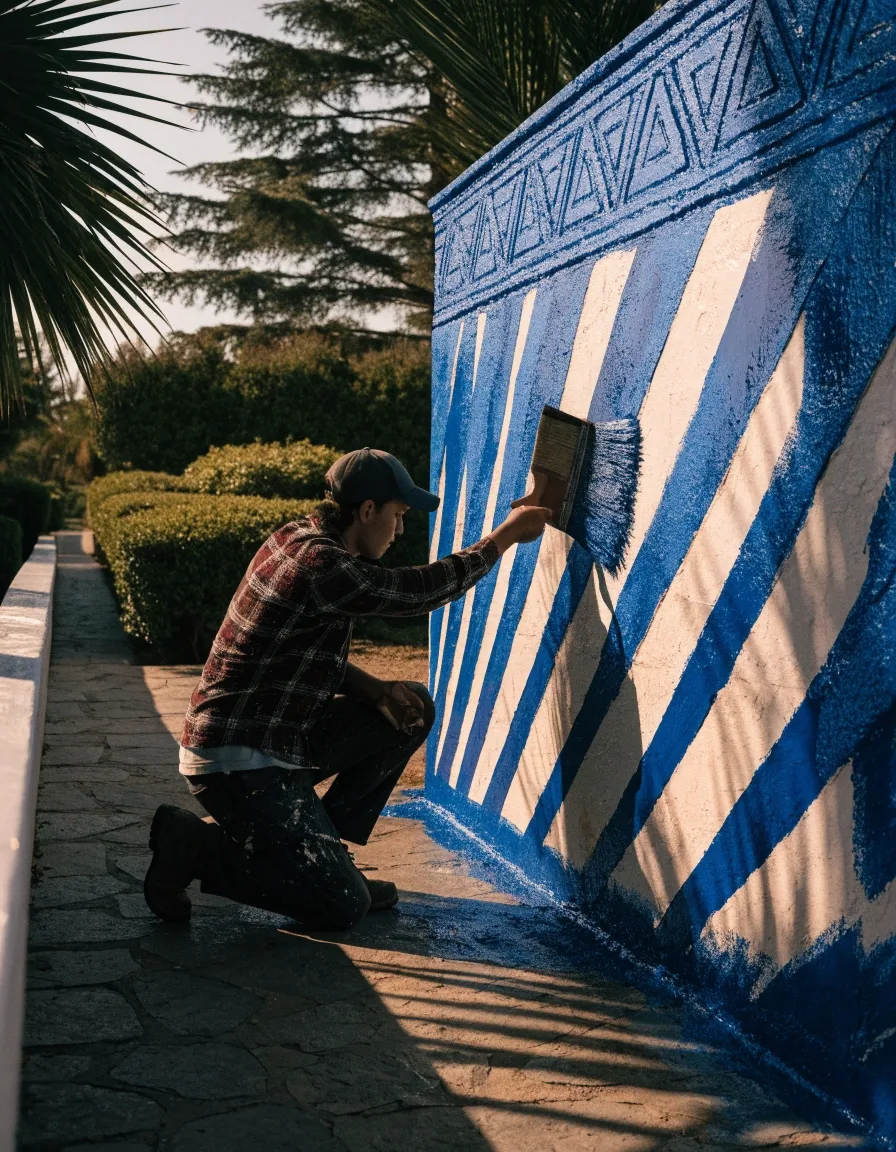
Restoration involved replanting, structural work, and careful decisions about fidelity to Majorelle's original design. The blue was re-established, and the studio building was treated as architecture worth preserving. The work took years and continued well beyond the initial purchase.
Villa Oasis
The private house beside the blue garden
Villa Oasis, the residence connected to the garden, was the couple's home in Marrakech. It is private and not part of the public visit, which is worth knowing before you arrive. Its presence explains why the garden feels inhabited rather than purely curated. The line between a lived-in place and a heritage site runs through this complex, and Villa Oasis sits on the private side of it.
Two museums carrying the legacy
One museum sits near the garden and looks at couture; the other sits inside the garden and looks at Amazigh and Berber material culture. Read them as a pair, and the visit stops being about a single designer's garden.
The garden they chose to keep
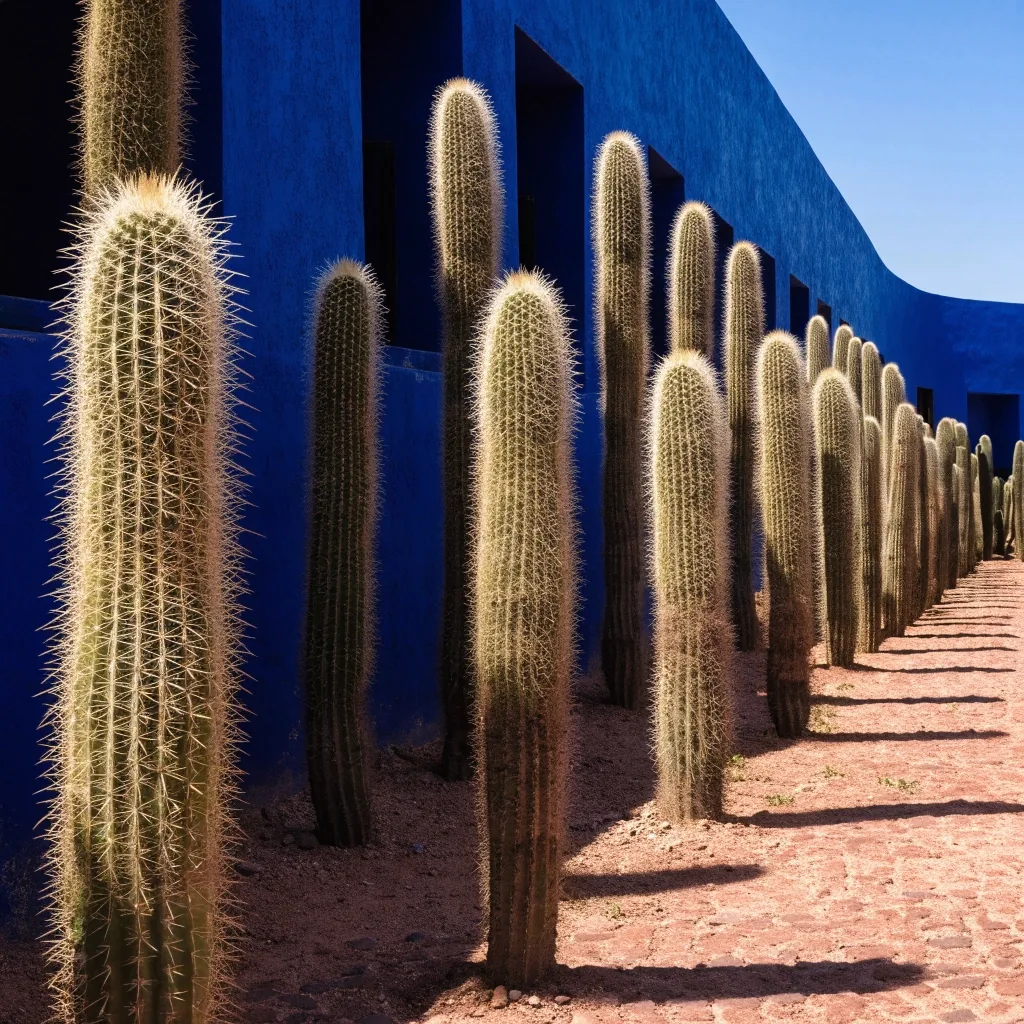
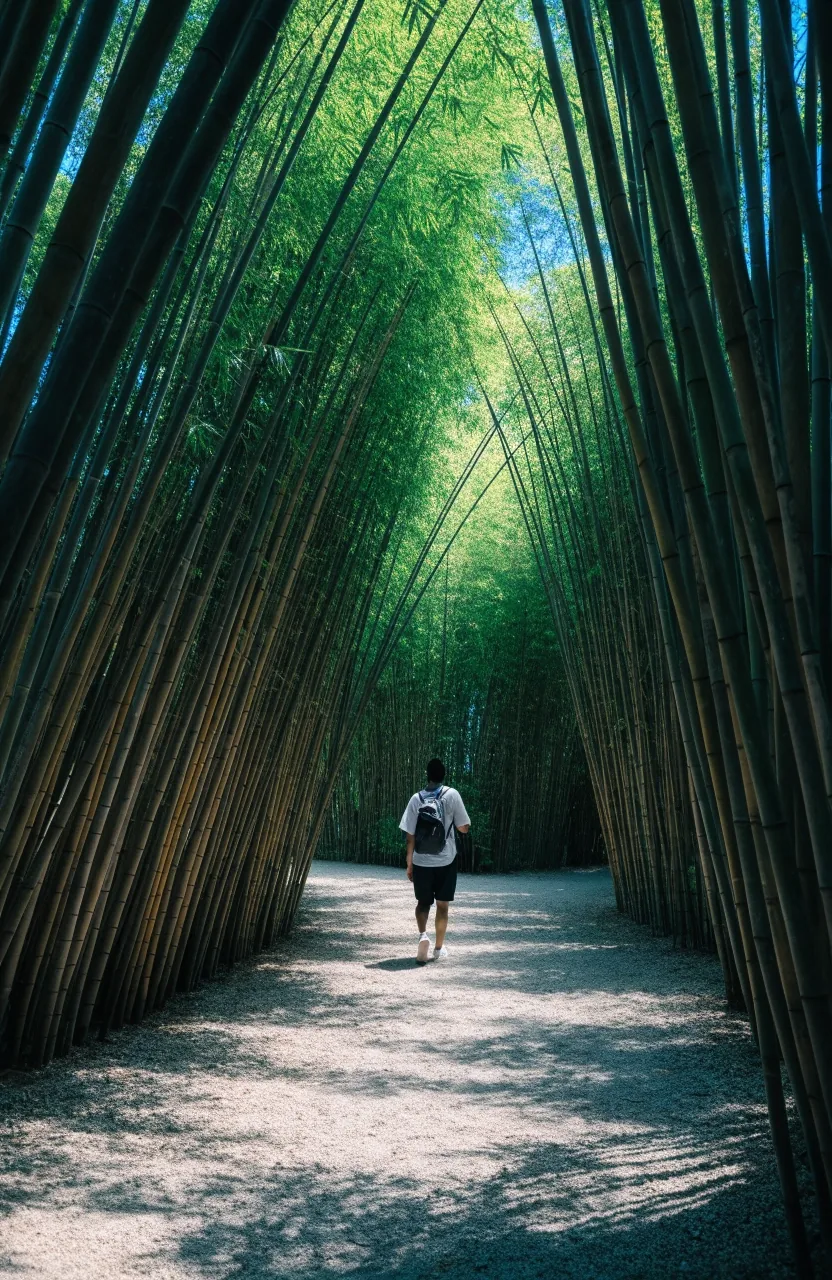
The restoration did not only save the blue. It kept the plantings that give the site its structure: the cactus court, the bamboo alley, the lily basin, the palms that now shade most of the paths. When you walk these, you are walking through the choices made after 1980 as much as through Majorelle's original design.
What to look for on a visit
If the Saint Laurent connection is your reason for going, start with the garden and then the YSL museum. The Berber museum adds context that the fashion story alone does not provide.
-
Walk the garden first.
The blue, the pool, the cactus court and the studio building set the context. Doing this before the museums makes the collections read as part of a place rather than as isolated displays.
-
Then the Musée Yves Saint Laurent Marrakech.
Read the displays rather than passing through. If couture and design are what you came for, this is where the Marrakech connection is explained in detail.
-
Add the Berber museum inside the garden.
It is short, it is included in the garden visit, and it reframes the site as Moroccan heritage. Do not skip it if you want the full picture.
-
Set expectations about Villa Oasis.
The residence stays private and is not part of the public visit. Plan around it rather than for it. A half-day is a realistic plan if you want to read displays rather than pass through.
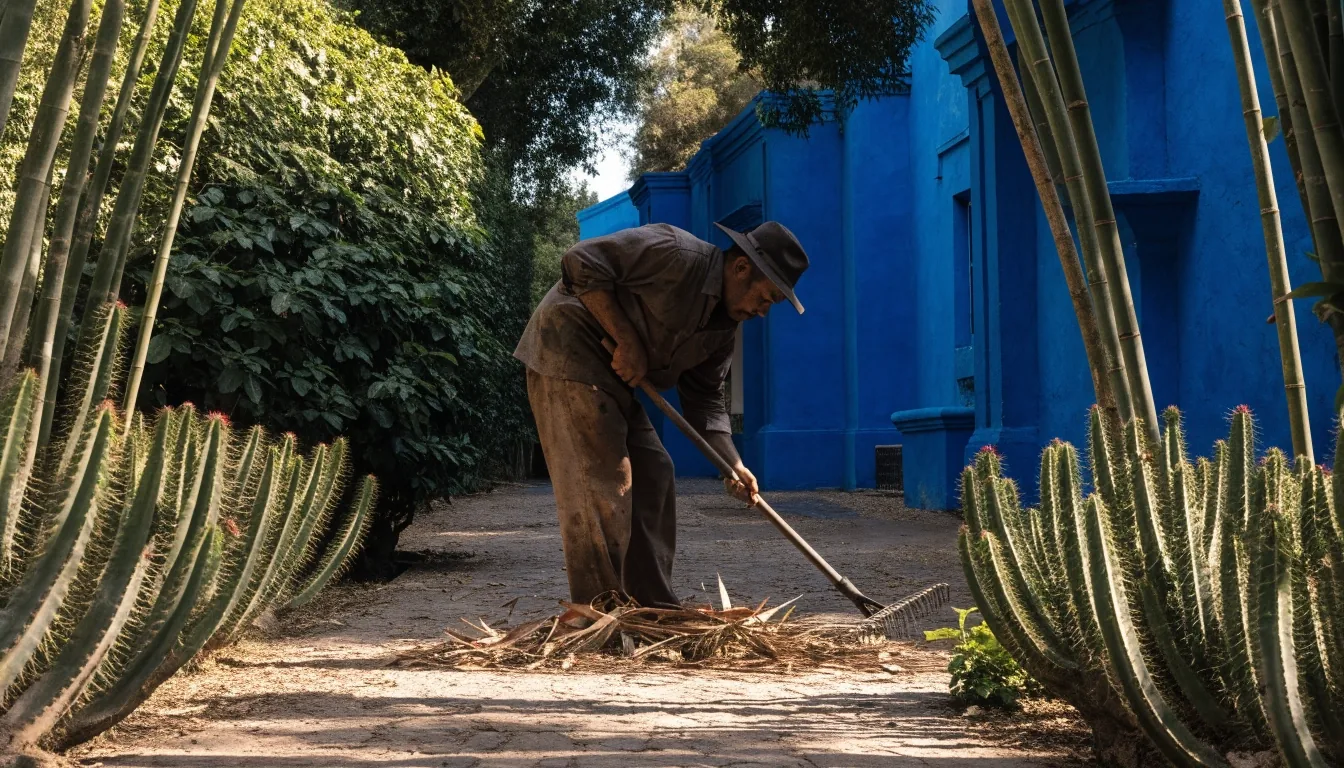
1980
Saint Laurent and Bergé buy the Jardin Majorelle to save it from development.
After 1980
Years of replanting, structural work and re-establishing the blue of the studio building.
Today
Two museums and a foundation-led model keep the garden open and interpreted for visitors.
Questions visitors ask about the Saint Laurent connection
Short answers to the things that come up most often when people plan around the garden and its museums.
Did Yves Saint Laurent own the garden? +
He and Pierre Bergé acquired it in 1980 and restored it over the years that followed. Ownership later passed to a foundation-led model, which is why the site is run as heritage rather than as private property.
Can I visit Villa Oasis? +
No. The residence is private and is not part of the public visit. Plan the garden and the two museums instead, and treat the villa as the reason the garden feels inhabited rather than as a stop on the route.
Is the Musée Yves Saint Laurent Marrakech inside the garden? +
No, it is a separate building near the garden and it is usually visited alongside the garden rather than instead of it. The Musée Pierre Bergé des Arts Berbères, by contrast, sits inside the garden itself.
How long should I allow for the whole stop? +
A half-day is a realistic plan if you want to read displays rather than pass through. Garden visiting hours vary by season, so check the official garden schedule before you travel and build the museums around the slot you book.
Does this site sell tickets to the garden? +
No. This is an independent guide. We publish background and practical information only, and we do not sell tickets. Use the official garden channels for entry and opening times.
Where to go next
The garden, its history and the visitor details are covered in their own pages. If you are planning around the Saint Laurent connection, start with the garden's story, then the practical guide, then the gallery. If you have a question the pages do not answer, write to the editorial desk.
Editorial desk
Majorelle Garden GuideRue Yves Saint Laurent, Marrakech 40090, Morocco
info@majorelle-garden-guide.com
+212 524 95 92 02
Editorial desk: Monday to Friday, 9:00 AM – 6:00 PM (GMT+1). Garden visiting hours vary by season — check the official garden schedule before you travel. We do not sell tickets.