
Practical guide · Marrakech
Visitor Tips for the Majorelle Garden
A good visit to the Jardin Majorelle is mostly about timing and expectations. The site is compact, popular, and exposed to Marrakech heat. What follows covers the practical side of planning: when to go, what the complex includes, how to pace it, and what to skip if your time is short. We do not sell tickets. Everything here is planning information only, so use it beside the garden's own official schedule.
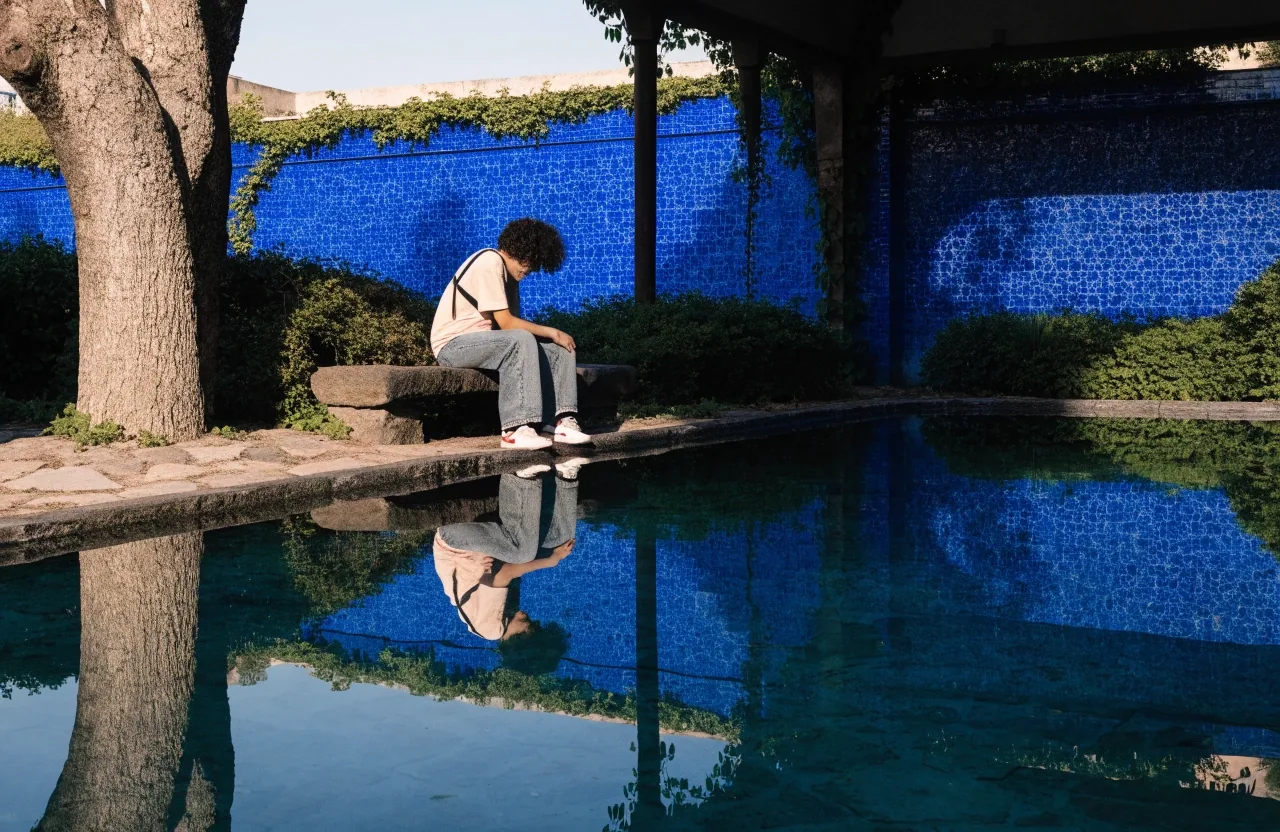
When to go: timing beats everything else
Early morning is generally cooler and calmer, and the light is softer for photographs. Midday brings stronger sun and longer waits, especially in high season. Late afternoon can be pleasant, but the garden may feel rushed near closing as staff begin to move visitors toward the exit. There is no single best slot for everyone. If you dislike heat, go early. If you dislike crowds, go early too. Those two preferences usually point at the same hour.
01 Morning, roughly at opening
The coolest air and the emptiest paths of the day. Best for photography and for anyone who wilts in heat.
02 Late afternoon
Softer light again, but less time before closing. Workable if you already know what you want to see.
03 Midday in high season
The hardest slot: strong sun, little shade on the open paths, and the longest entry lines. Plan water and patience.
Tickets and access
Tickets are handled by the garden's own operation, not by us. Buy through official channels rather than informal sellers, and check current opening hours before you travel, since schedules change by season. The garden sits centrally in Marrakech and is reachable by taxi or on foot from nearby areas. Allow extra time for the approach if you are coming from the medina, where traffic and narrow streets slow every short journey.
If you are travelling with a group, decide who holds the booking before you arrive at the entrance. It removes the usual two-minute shuffle at the gate.
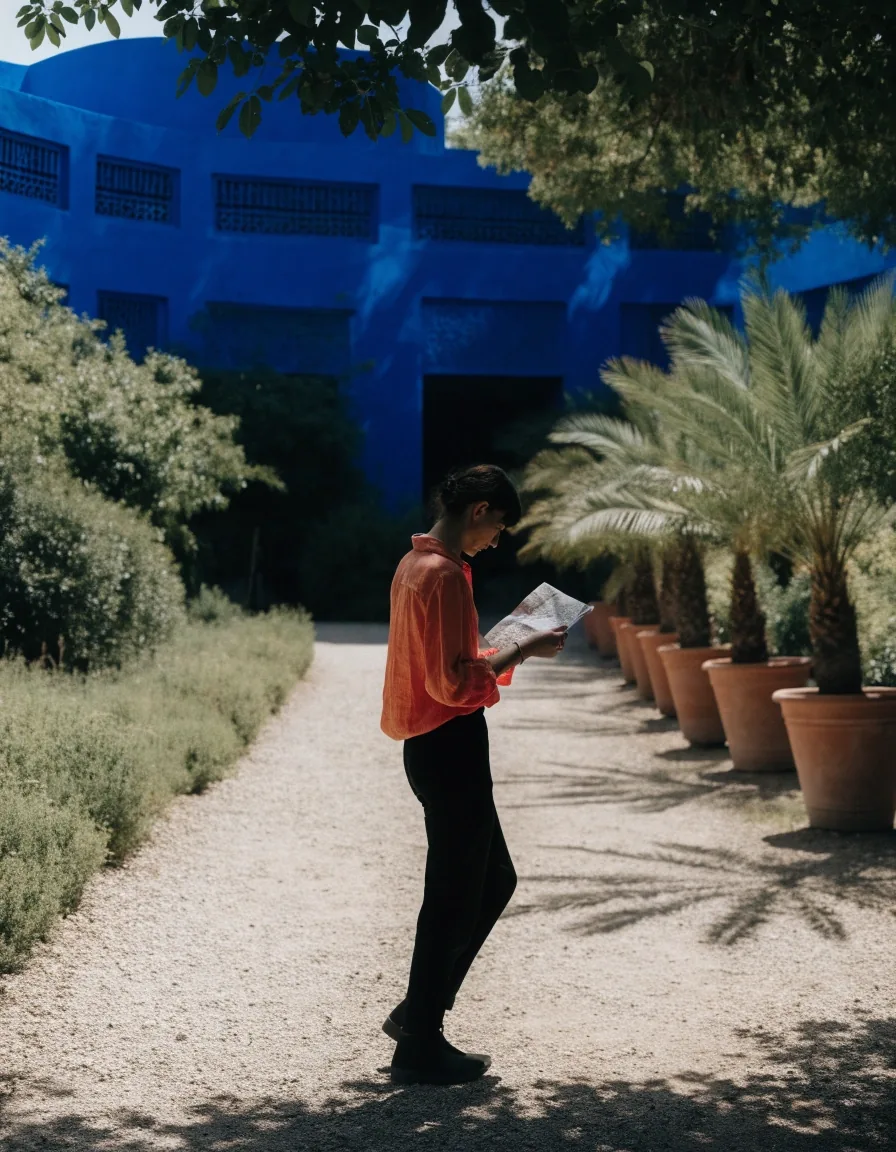
Shaded approach path, late morning
How long you need
The garden alone takes roughly an hour at a relaxed pace. Add the Musée Pierre Bergé des Arts Berbères inside the garden, and you are looking at closer to two hours. The Musée Yves Saint Laurent Marrakech is separate and nearby, so a half-day covers all three comfortably. If you are short on time, prioritize the garden itself.
The rule of thumb that holds up: pick two of the three parts and do them properly rather than rushing all three. The garden rewards a slow second loop once the first pass is done, and the Berber museum is small enough to feel complete in forty minutes if you read the labels instead of walking past them.
A realistic half-day
Timings are a planning guide, not a fixed schedule. Queue length changes the shape of the day more than anything else.
What the complex includes
There are three distinct parts: the garden, the Berber museum inside it, and the YSL museum nearby. Villa Oasis is private and not part of the public visit. Knowing this prevents the common confusion at the entrance about what a ticket covers. Decide in advance which parts matter to you, then build the visit around them.
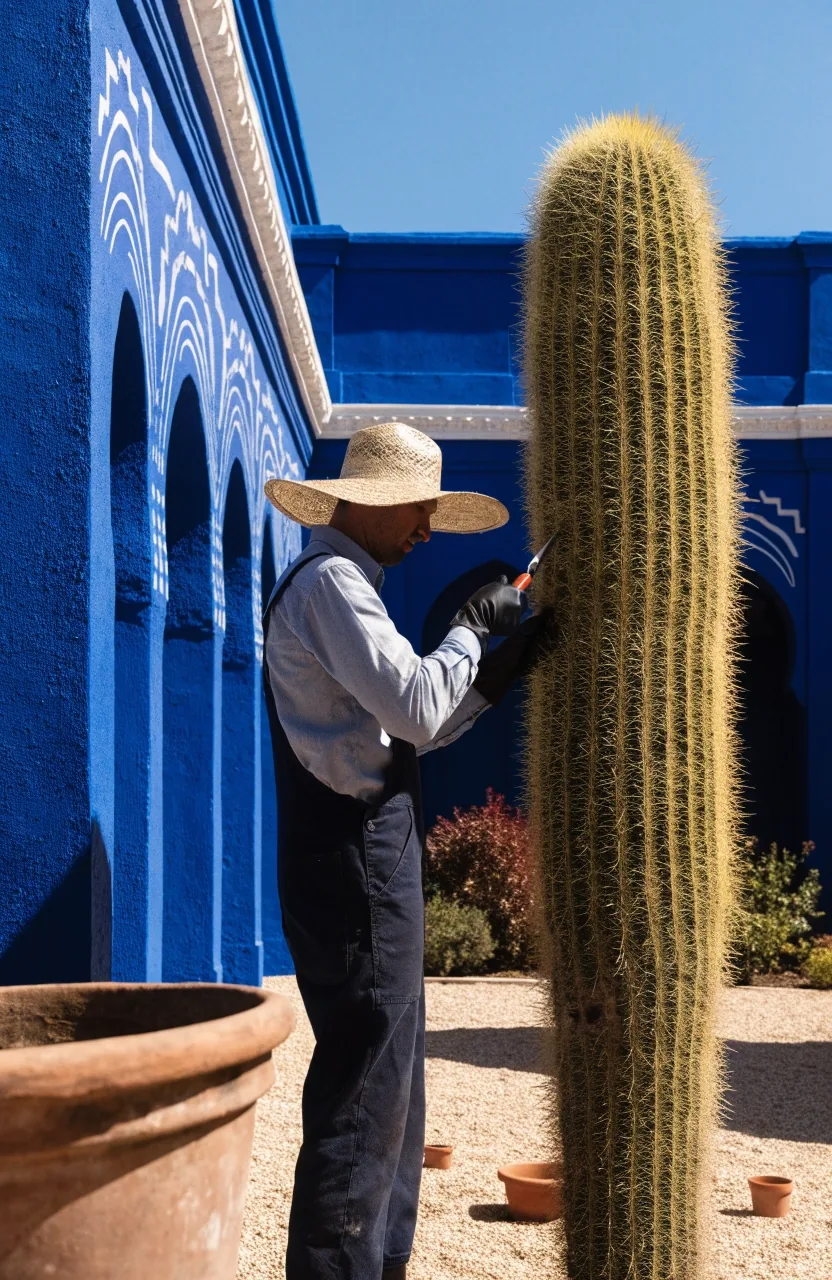
The cactus court, midday
The garden
Included with entry. The long pool, the blue studio building, the cactus court and the shaded alleys are all here. This is the part almost every visitor comes for.
The Berber museum
Inside the garden grounds, in the former painting studio. A separate entry point at the door, and a cool, shaded half-hour if the heat has caught up with you.
The Yves Saint Laurent museum
A separate building on the same street, with its own ticket. Not part of the garden visit, and worth planning as its own stop.
Villa Oasis
Private. It is not open as part of the public route, so plan around it rather than asking at the gate.
Pacing and what to see first
Start with the garden while it is cooler, then move to the museums as the heat builds. The long central pool and the blue studio building are the anchors most visitors want to see. After that, the shaded paths reward wandering. Do not try to see everything in one rushed pass. The site works better at a slower rhythm, and a second short loop usually shows you things the first pass missed.
A walking order that works
- 1 Walk straight to the long central pool and the blue studio building while the light is still soft and the paths are quiet.
- 2 Turn into the cactus court and the bamboo alley. These are the shaded stretches, so they work best once the sun is higher.
- 3 Step into the Berber museum for a cool, seated half-hour when the heat peaks.
- 4 Loop back through the paths you skipped, then leave for the Yves Saint Laurent museum next door.
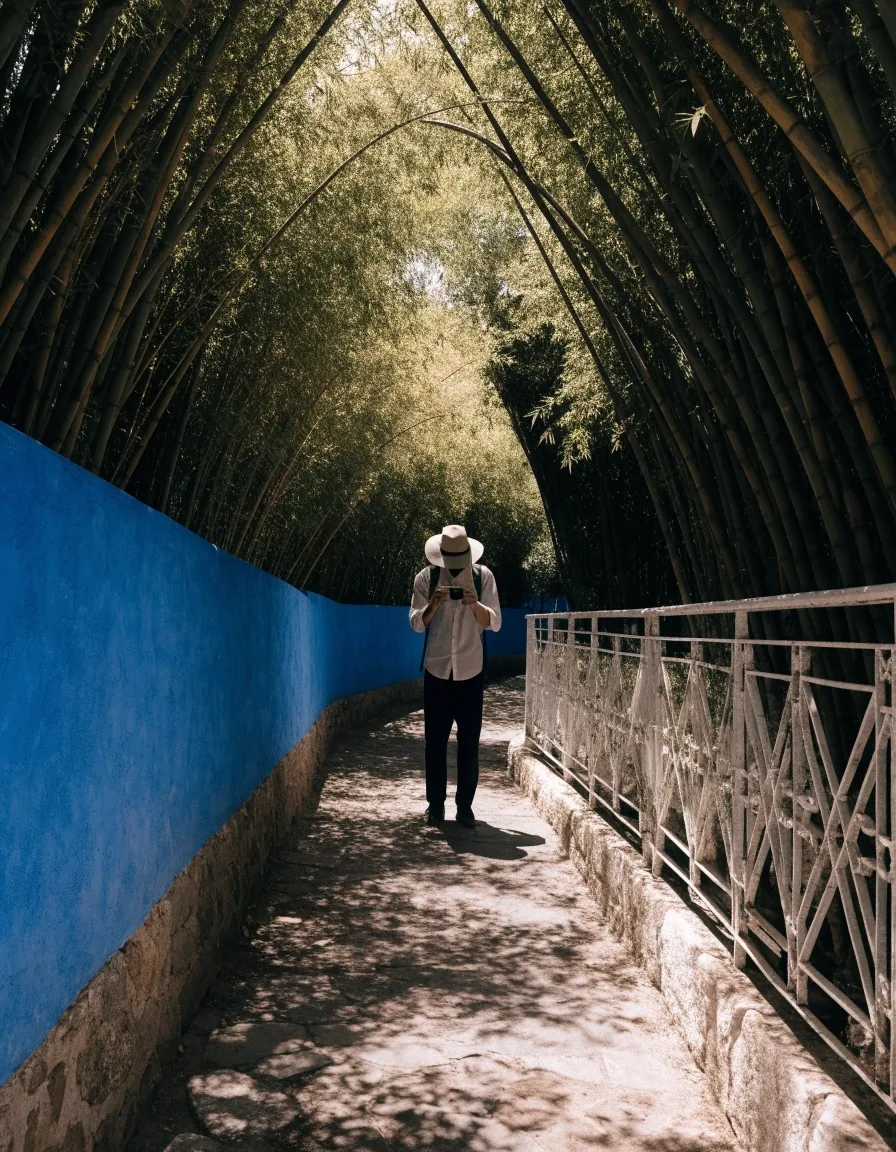
Photography practicalities
Bring a phone or camera you are comfortable using quickly. Paths are narrow, and popular viewpoints get congested. Take your shot and move aside. If you want the blue structures without a crowd, arrive near opening. Respect posted restrictions, and remember that other visitors are trying to enjoy the same space.
Practical notes that help: the cobalt walls look best in even light rather than hard noon sun, and the pool reflects the studio building cleanly when the surface is still. A wide phone lens handles the alleys better than a long zoom, because there is rarely room to step back.
Etiquette and comfort
Dress for warm weather but keep in mind this is a cultural site, not a beach. Carry water, especially in summer. Wear shoes suitable for uneven paths. Keep voices low in the museums, and avoid touching plants or structures. These are small things, but they make the visit better for everyone sharing the garden.
What to combine nearby
The garden's central location makes it easy to pair with other Marrakech landmarks in a half-day route. The museum cluster is right there, so it is the natural pairing. Beyond that, plan around distance and heat rather than trying to stack too much. A realistic itinerary beats an ambitious one in this city.
If you want more context before or after your visit, the garden's architecture and its Yves Saint Laurent story both reward a little reading. It changes what you notice on the walk.
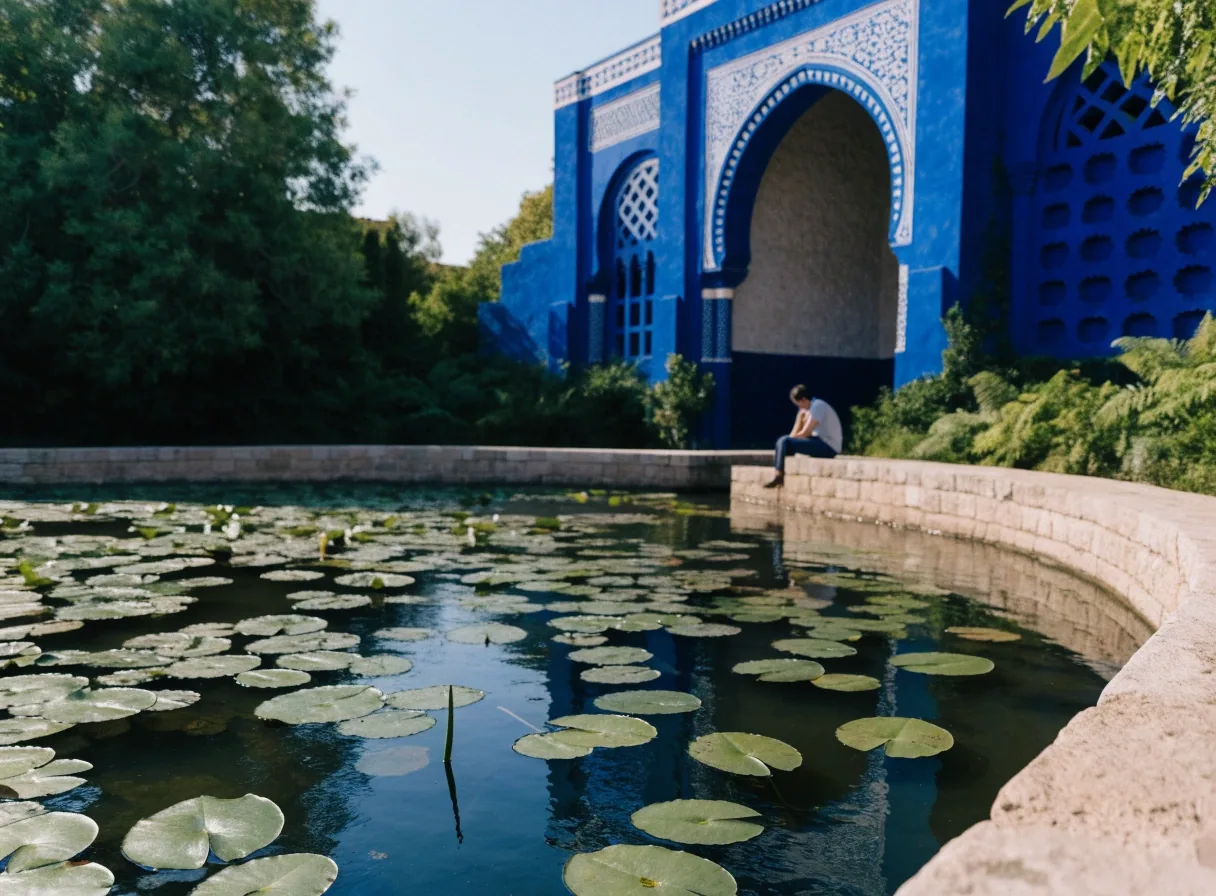
The lily basin, late afternoon
Common mistakes to avoid
Avoid those four and the visit usually goes well. Reading the history beforehand helps more than any packing tip.
Questions before you travel
Short answers to the things readers ask us most often about planning a Majorelle Garden visit.
Do you sell Majorelle Garden tickets? +
No. This is an independent guide, not a ticket seller. Buy through the garden's official channels and check current opening hours directly before you travel.
How much time should I set aside? +
About an hour for the garden at a relaxed pace, closer to two hours if you add the Berber museum inside it. A half-day covers the garden and both museums comfortably.
Is the garden suitable for a hot day? +
It is manageable if you go early, carry water, and use the shaded stretches and the museum interior as breaks. Midday in high season is the least forgiving slot.
Can I visit the Yves Saint Laurent museum on the same day? +
Yes. It is a separate building on the same street with its own ticket, and it pairs naturally with the garden on a half-day route.
Where can I ask something specific? +
Write to us at info@majorelle-garden-guide.com or use the contact page. Our editorial desk answers Monday to Friday, 9:00 AM to 6:00 PM (GMT+1).
Planning the rest of your visit
If this page has done its job, you now know roughly when to go, what the complex includes, and how to pace it. The next step depends on what you care about most. History readers usually start with the story of the garden and the Blue Villa. Design-minded visitors go straight to the architecture. Anyone curious about the garden's second life should read the Yves Saint Laurent and Pierre Bergé chapter.
We are an independent guide based at Rue Yves Saint Laurent, Marrakech 40090, Morocco. Reach us at info@majorelle-garden-guide.com or +212 524 95 92 02. The editorial desk is open Monday to Friday, 9:00 AM to 6:00 PM (GMT+1). Garden visiting hours vary by season, so check the official garden schedule before you travel.